About
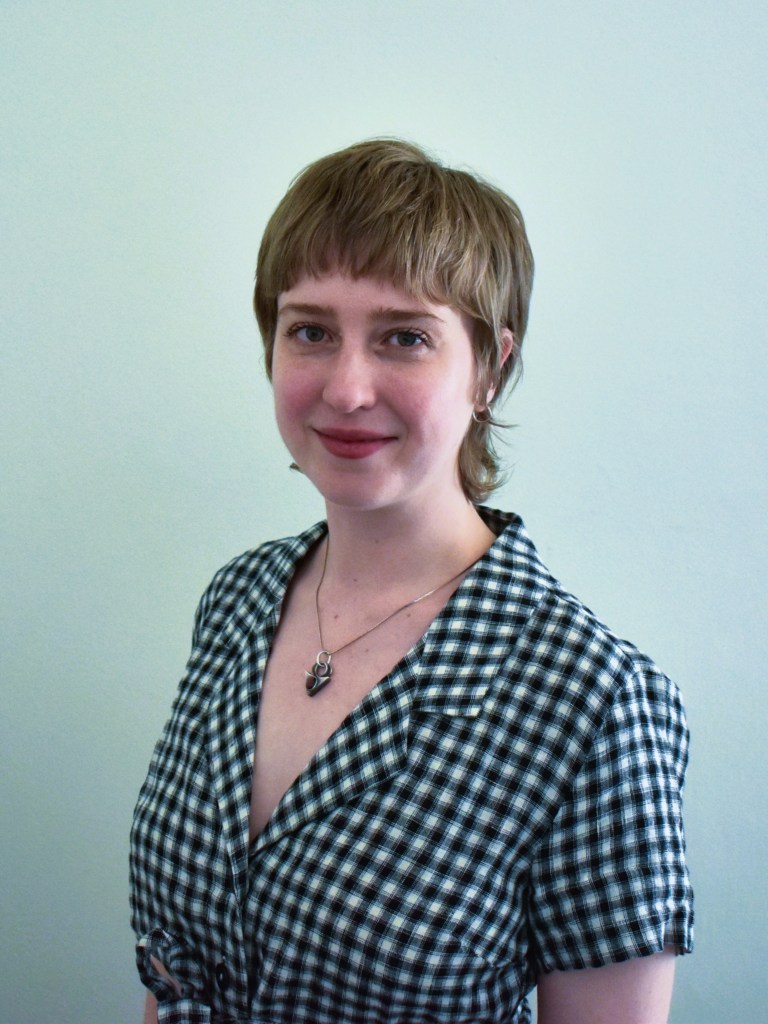
In addition to my private practice, I’m an instructor, supervisor, and psychotherapist at Access Institute, a psychoanalytic community mental health clinic in San Francisco. I offer therapy in both Spanish and English, and I’m originally from Puerto Rico where I lived until I became a young adult. Before becoming a therapist, I earned undergraduate and graduate degrees in creative writing and spent several years teaching literature at the college level.
My personal experiences traversing cultures and being from the oldest remaining colony in the world (Puerto Rico) have informed my desire to create spaces where people with multicultural backgrounds can engage undeveloped or eclipsed parts of their self. I run a group for bilingual therapists to find support in their communities toward professional and personal growth.
I’ve trained in psychoanalytic community mental health at Access Institute and received additional training in couples therapy, parenting education, and sensorimotor therapy through Family Paths. I’ve also worked with children, adolescents, and their parents in various school settings throughout the Bay Area. These experiences have given me the opportunity to work with diverse communities, including immigrant families, bicultural individuals, the LGBTQI+ community, parents, and survivors of trauma.
I continue to deepen my practice and challenge myself by attending ongoing seminars, reading groups, individual consultation, and peer consultation groups. I’m also a pre-candidate analyst in training with the Lacan School of Psychoanalysis and stay engaged with contemporary developments in psychoanalytic theory and technique.
Training
- I consult with psychoanalytic practitioners and take part in continued study of psychoanalytic theory and technique through the Lacan School of Psychoanalysis as a pre-candidate analyst (2024-present).
- Received supervision and training in psychoanalytic community mental health therapy for adults, couples, and children through Access Institute (2021-2023).
- Couples therapy training, parent education training, and sensorimotor therapy supervision and training through Family Paths (2020-2021).
- Adolescents with ADHD and Anxiety supervision and training through Piedmont High School (2019-2020)
Education
- SFSU Masters of Science in Family, Marriage, and Child Counseling (2021)
- UC Davis Masters of Arts in Creative Writing, Poetry (2017)
- UCLA Bachelor of Arts in English, Creative Writing (2011)
What makes psychoanalytic therapy different?
Psychoanalytic methods center the patient’s unique experience as one that cannot be reduced to a formula. This makes it different than other behavior-based approaches which prioritize behavior change but may not provide enough room to explore the roots of those behaviors. The focus is toward what needs to be expressed that has been hidden, shamed, or overlooked, and developing insights through relational experiences that can motivate patients to align with what it is that will lead to a more fulfilling life. How therapy plays out is different for everyone and I invite collaboration and feedback from you to learn about your hopes and concerns related to the therapy process and how I can support you on your unique path.
What are sessions like?
I offer 50 minute sessions and we can choose to meet once or multiple times each week. During session, I will invite you to speak freely and I will ask questions to go deeper into understanding some of the topics you are bringing forward. I may also offer interpretations to make space for you to develop new ideas. I work collaboratively and will make room for you to share how you feel about the therapeutic relationship and to voice your hopes and concerns about the process. My approach may look different with each patient and there is room for laughter and times of levity during session, as your whole self is welcome in the therapy room.
What is your theoretical approach?
My approach is informed by the ideas of Jacques Lacan and Relational psychoanalytic thinkers. I also use evidence-based methods like mentalization-based therapy, trauma-informed therapy, and Gottman Method Couples Therapy concepts.
How does teletherapy work?
Teletherapy or video therapy has been found to be just as effective as meeting in-person (APA). However, it presents patients and therapists with challenges that are unique to the medium. For instance, wifi connection issues, call drops, and concerns related to privacy. In order to participate in teletherapy sessions, I ask that my patients choose to meet in a private and comfortable place where they could sit or lie down as they would in an in-person therapy session. I do all within my power to preserve patient confidentiality and to use the appropriate technology to allow for ease of communication.
One thing I tell my patients is that we do not need to look at each other during the entire video call. You can look away and look back when you are ready to engage, as you would in person. I aim to make telehealth sessions feel natural and not to follow the same conventions of business zoom calls which require you to perform a certain way. Video calls can be made to feel therapeutic and comfortable.
